Embrapa Meio Ambiente Captivates International Youth: Shaping an “Agri-Conscious” Future
Publicado em 16/04/2026
Divulgação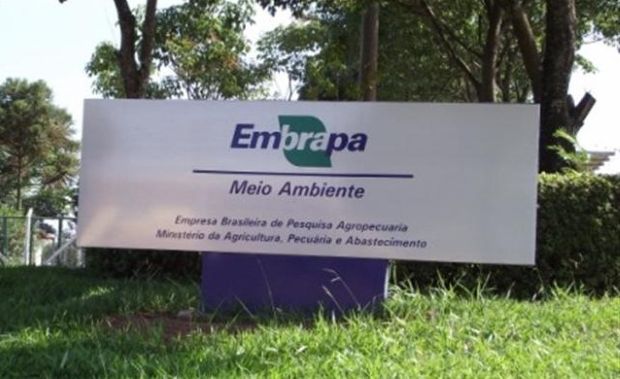 Embrapa Meio Ambiente (National Center for Research on Environmental Impact Monitoring and Evaluation)
Published on April 8, 2026
Agriconscient Show – Broadcast by Radio Eldorado Estadão-Brazil
*José Luiz Tejon
Translated/Copydesk by Teacher Francisco Barbosa Bardhal
Embrapa Meio Ambiente (National Center for Research on Environmental Impact Monitoring and Evaluation) recently hosted MBA students from the France–Brazil program, reinforcing how youth engagement serves as a powerful channel for projecting Brazil’s image globally.
For the past 11 years, the AGRO-MBA program has brought together students from eight countries. This year, participants from China, France, India, Indonesia, Italy, Morocco, Senegal, and Vietnam visited Embrapa’s Environment unit in Jaguariúna, São Paulo, where researchers presented advances in the microbiome, bio-inputs, and biological control.
The students were offered a glimpse into the future of agriculture and food systems. The unit’s General Head, Paula Packer, introduced key research lines through the “Land-Sparing Effect” project, highlighting how tropical science can boost productivity while reducing pressure for agricultural expansion.
Researcher Mr.Rogério Mendes emphasized breakthroughs in microbiome science, demonstrating how plant-associated microorganisms act as an extension of the plant genome, enhancing both productivity and crop health.
On sustainability, Ms Rachel Prado addressed the planning and monitoring of ecosystem services, with applications in public policy and environmental management.
In her turn, Ms Beatriz Paranhos presented the use of bio-inputs and RNAi-based bioinsecticides (RNA interference), representing a new generation of biological crop protection solutions that silence essential genes in specific pests—eliminating them without affecting other organisms.
Biological control strategies were further detailed by Ms Jeanne Prado, while Ms Simone Prado explored interactions between insects and microorganisms.
Mr Alan Daher led the visit to the experimental field areas where students were deeply impressed by Brazil’s tropical agricultural expertise.
Participants from India emphasized the importance of transferring this knowledge to their own country, while Moroccan and other students highlighted particular interest in technologies focused on drought-resistant crops. The resilience and sustainability embedded in Embrapa Meio Ambiente work reshaped the perspectives of the International MBA class in Food & Agribusiness Management (FAM), a dual-degree program delivered by Audencia Business School (France) and FECAP (Brazil).
Students recognized the tangible progress of Brazil’s agrotropical technologies and their applicability across diverse agricultural systems worldwide. Embrapa, as a whole, stands out as a powerful driver in elevating the global perception of Brazil’s tropical agribusiness.
Engaging with the world’s youth is a highly effective strategy. An “agriconscious future" begins with awareness grounded in real-world facts.
*José Luiz Tejon PhD in Education from the Universidad de La Empresa/Uruguay, Master's degree in Education, Art and History of Culture from Mackenzie University, Journalist and advertising professional with specializations from Harvard, MIT, PACE/USA, and INSEAD in France. Columnist for Rádio Eldorado and Estadão On-line, and the author and co-author of 37 books. Academic Coordinator of the Master Science Food & Agribusiness Management program at Audencia in Nantes/France and FECAP/Brazil.Managing Partner at Biomarketing and TCA International. Vice-President of the Brazilian Marketing Foundation (FBM) and ADVB - the Brazilian Marketing Foundation and Association of Sales and Marketing Executives of Brazil. Head of Agro at ANEFAC. ABAG 2023 Agro Personality Award. Former director of Grupo Estadão, Agroceres, and Jacto S/A.